Palaka vs Gingham: Similar Check Patterns – Different Stories

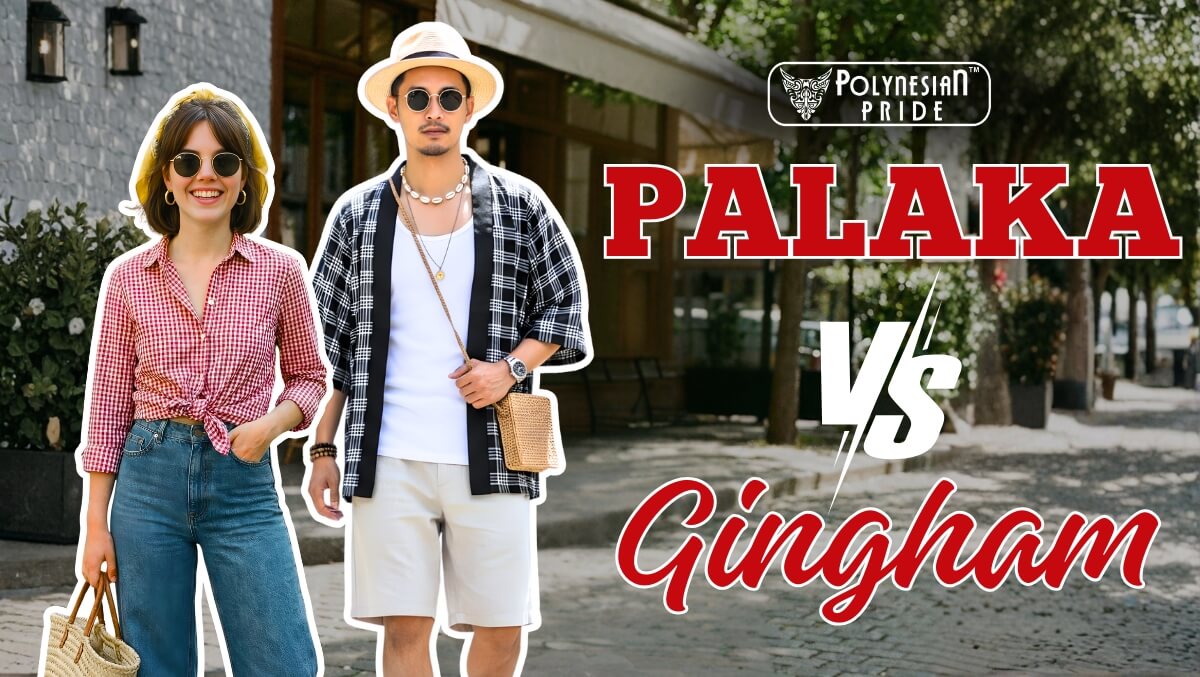
At first glance, Palaka vs Gingham look surprisingly similar — both are check patterns, both are timeless, and both bring a clean, classic vibe to clothing. But look a little closer, and you’ll find that these two patterns come from completely different worlds, each carrying its own story, purpose, and cultural identity.
So what exactly sets Hawaiian Palaka apart from the globally loved Gingham? And why do they feel so different even when the grids look alike? This quick guide breaks down their origins, features, and key differences, helping you understand which pattern best fits your style. Let’s dive in!
What Is Palaka?
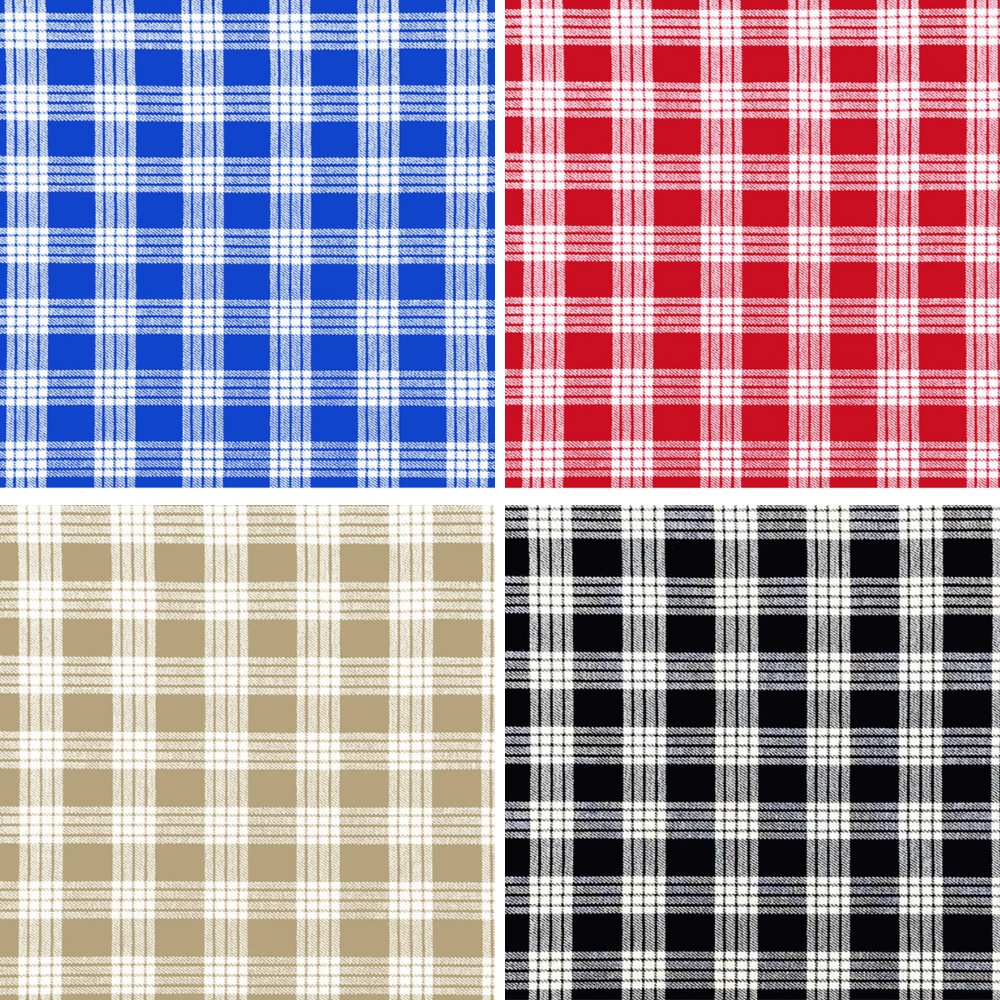
Palaka is a traditional Hawaiian check fabric that originated during the plantation era, where it served as durable workwear for local laborers. Its bold, two-tone checks — often blue and white — were woven from sturdy cotton strong enough for long days in the pineapple and sugarcane fields.
Its roots trace back to the “frock shirts” worn by American and British sailors who arrived in Hawai‘i in the 1800s. Plantation workers adopted the fabric for its toughness and breathability, earning Palaka the nickname “Hawaiian Denim.” Over time, it became a symbol of unity among Native Hawaiian, Japanese, Filipino, Portuguese, and Puerto Rican laborers.
Key features of Palaka:
- Larger, structured check pattern
- Typically two-tone (blue/white, navy/white, red/white)
- Made from thick cotton or cotton-blend fabric
- Deep cultural meaning tied to Hawaii’s working-class history
What Is Gingham?
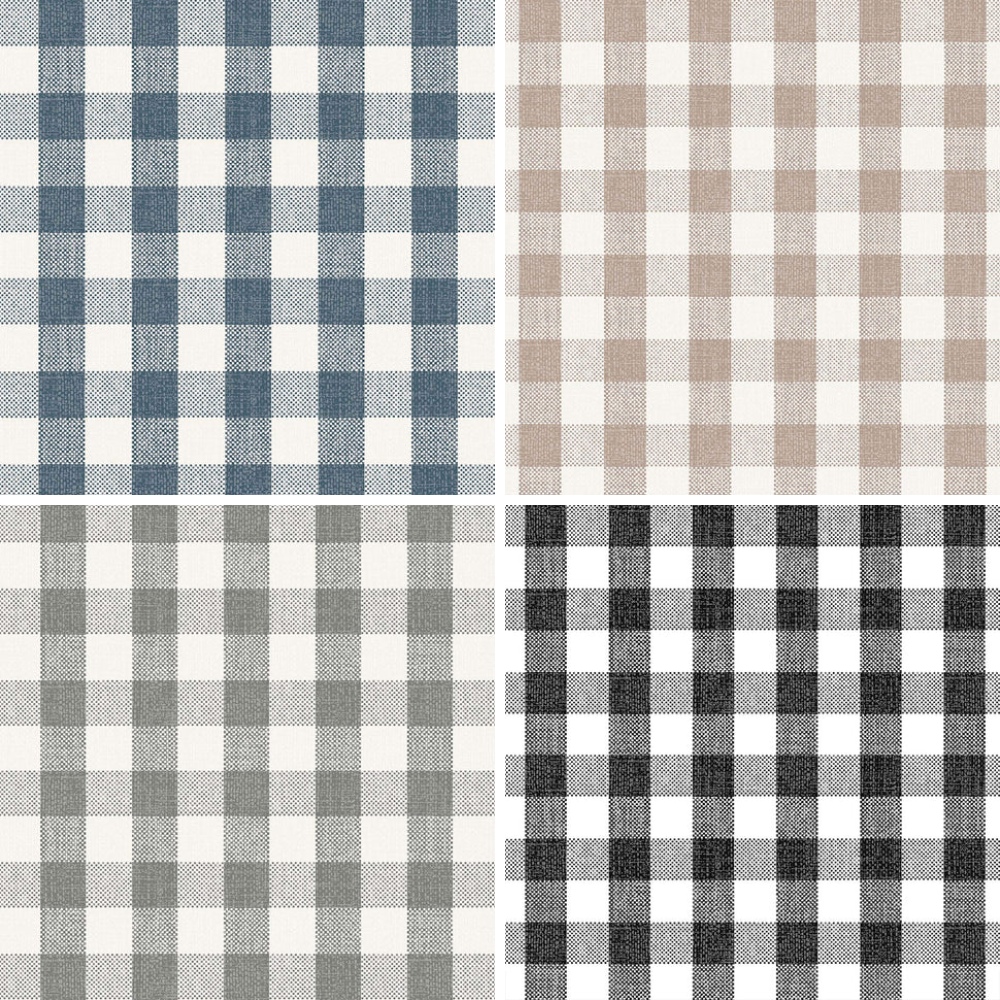
Gingham is a globally popular check pattern with roots in Southeast Asia. Its name comes from the Malay word “genggang,” meaning striped, because the fabric originally featured stripes before evolving into checks in the textile mills of Manchester, England.
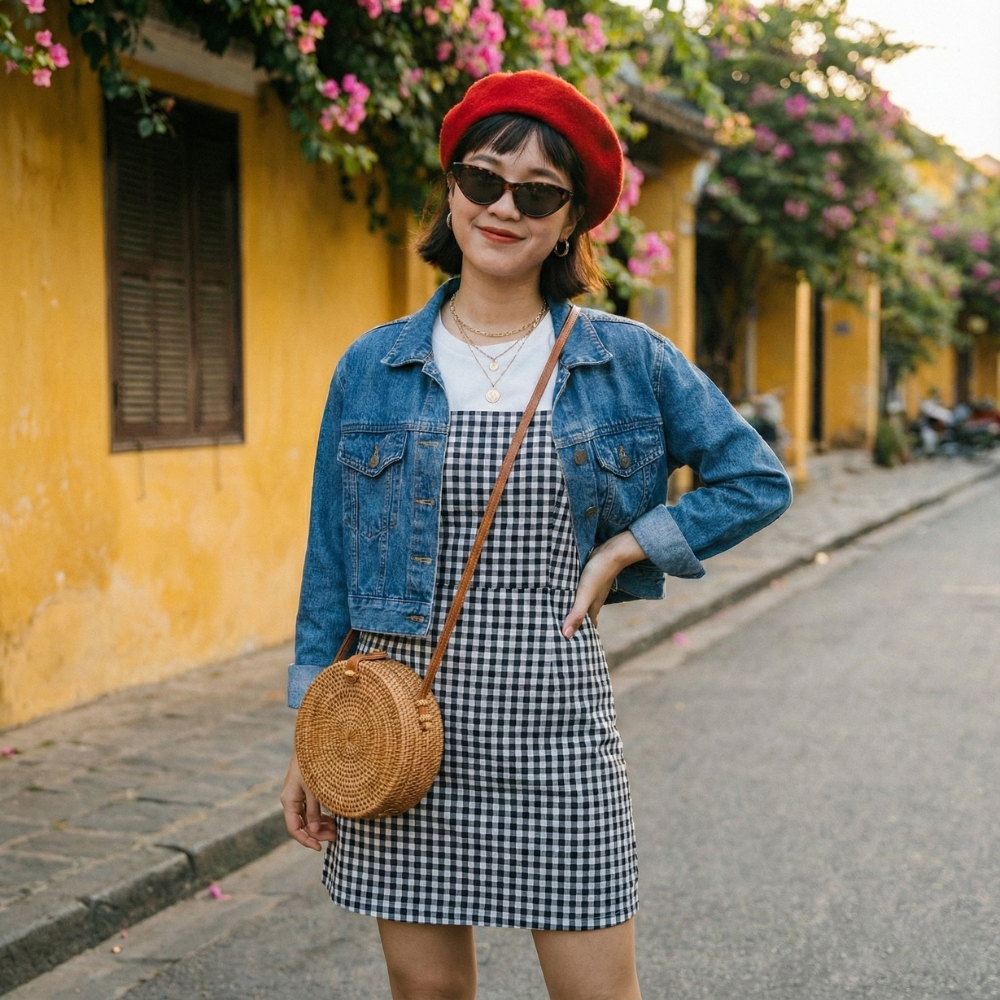
From there, gingham spread worldwide and became a staple for summer dresses, school uniforms, children’s clothing, and casual preppy fashion. Unlike Palaka, gingham carries no specific cultural identity; instead, it symbolizes lightness, simplicity, and cheerful everyday style.
Key features of Gingham:
- Small, evenly repeating checks
- Available in many colors, especially pastels
- Usually made from lightweight cotton
- Linked with casual, vintage, or preppy fashion aesthetics
Palaka vs Gingham: Detailed Comparison
At a glance, Palaka and Gingham look like siblings — both check patterns, both clean and timeless. But once you look into their roots, you’ll see they come from two completely different histories, cultures, and purposes. So how did two simple patterns evolve into such distinct fashion identities? And what truly separates Hawaiian Palaka from global Gingham? Let’s break it down clearly in the comparison below.
| Feature | Palaka | Gingham |
| Year of Origin | Late 1800s (introduced to Hawai‘i during the plantation era) | 17th–18th century (popularized in Southeast Asia + Europe) |
| Place of Origin | Hawai‘i, developed within local plantation communities | Fabric trade routes through India, Indonesia, and Malaysia; adopted by Europe later |
| Pattern Style | Larger, structured two-tone checks (bold grid) | Smaller, tighter, evenly repeating checks |
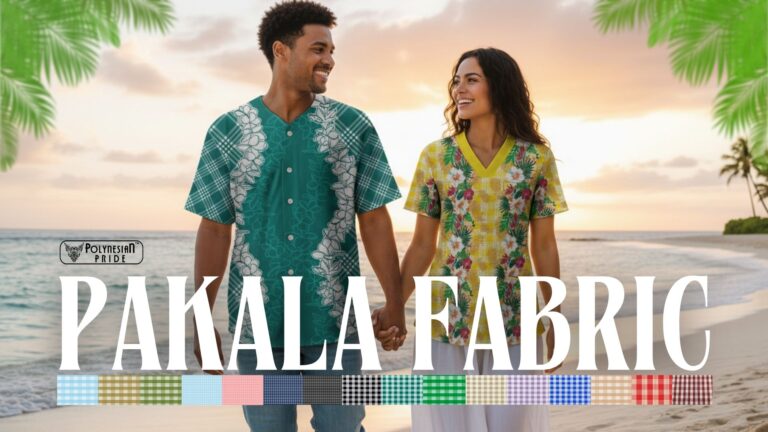
| Color Palette | Traditionally blue-and-white; later navy, red, brown, black, and pastels | Extremely wide range: red, navy, pastel pink, yellow, mint, black, etc. |
| Fabric Type | Thick, durable cotton or cotton-blend for workwear | Lightweight cotton or cotton-blend for comfort and breathability |
| Cultural Meaning | Symbol of Hawaiian working-class heritage, unity, resilience, and local identity | Associated with casual Western fashion, vintage style, preppy aesthetics; no strong cultural symbolism |
Although both patterns may appear similar, they live in two completely different style worlds. Palaka is deeply tied to Hawaiian heritage, plantation-era resilience, and island identity — a meaningful cultural icon that continues to influence modern Hawaiian fashion, heritage clothing, and island-style outfits. Meanwhile, Gingham represents global comfort wear, retro charm, and the sunny, carefree side of Western casual fashion.
Palaka vs Gingham in Today’s Style Trends
Even though Palaka and Gingham share a checkered look, they appear very differently in today’s fashion landscape.
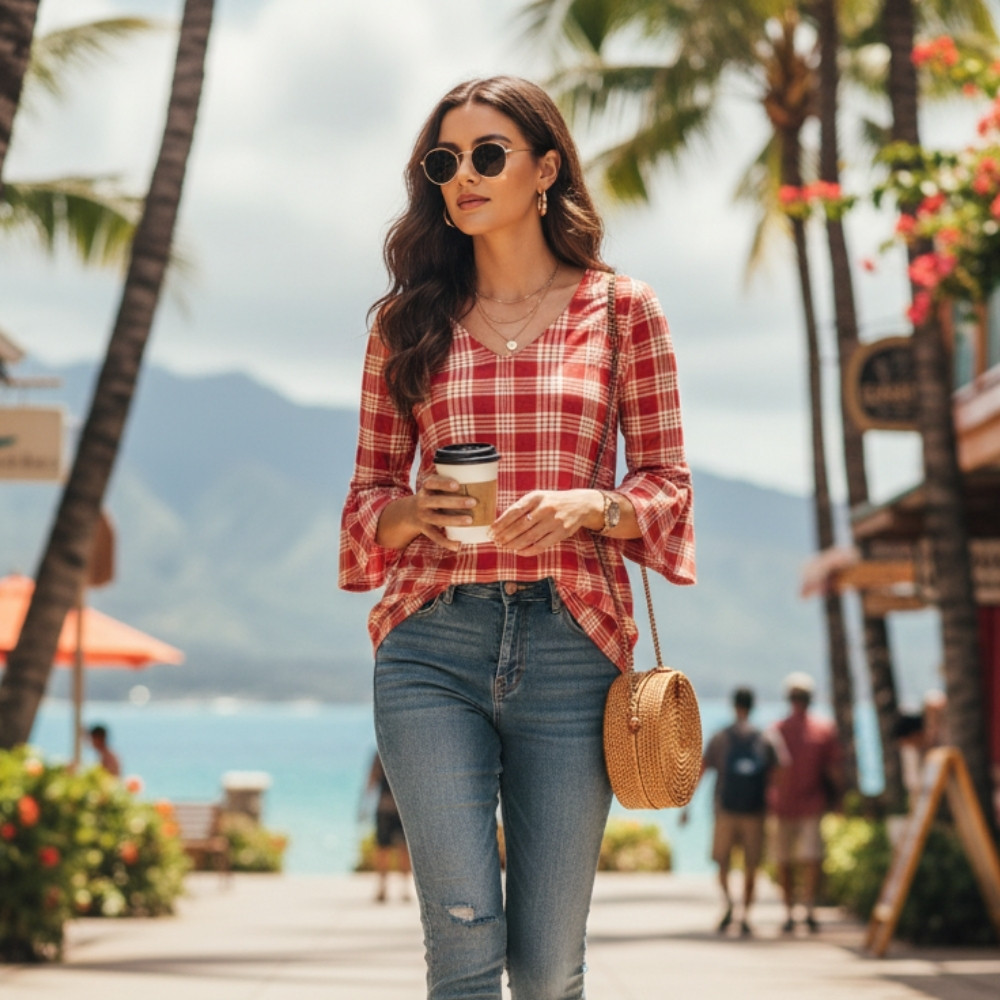
Palaka attire is gaining momentum in heritage-inspired clothing, island streetwear, and women’s clothing, where people look for designs that feel meaningful and culturally rooted. Its bold grid and sturdy texture make it perfect for modern aloha shirts, jackets, dresses, and updated workwear silhouettes that celebrate Hawaiian identity.
Gingham, meanwhile, remains a global favorite in light, cheerful, everyday fashion. You’ll see it everywhere in sundresses, skirts, picnic tops, children’s clothing, preppy shirts, and even home décor. Its soft colors and small, neat checks fit naturally into spring and summer trends, making it a go-to choice for brands that want a fresh, playful aesthetic.
In short, Palaka is rising as a symbol of heritage fashion and cultural revival, while Gingham continues to define the world of casual, vintage, and seasonal style. Both patterns are timeless, but each brings a very different mood — one rooted in Hawaiian resilience and storytelling, the other in global comfort and retro charm.
Final Thoughts: Two Patterns, Two Paths
Palaka and Gingham each follow their own journey through the world of fashion. One carries the strength and heritage of Hawai‘i — a pattern shaped by real stories, real people, and a deep sense of island identity. The other brings a bright, familiar charm that has traveled across continents and generations, becoming a staple of effortless everyday style.
Both prints have earned their place in modern wardrobes, but for completely different reasons. Palaka speaks to those who love authenticity, cultural meaning, and a bold sense of place. Gingham appeals to anyone drawn to softness, nostalgia, and easygoing versatility.
In the end, choosing between them isn’t just about style — it’s about the feeling you want to carry with you. The grounded pride of Palaka or the gentle warmth of Gingham — either way, you’re wearing a story.
FAQs
Why does Palaka look bolder than gingham?
Palaka uses thicker vertical and horizontal stripes, creating strong, prominent squares. Gingham’s thin threads create smaller, softer checks that appear more delicate.
Which is more durable: palaka or gingham?
Palaka is generally more durable because it was designed for heavy outdoor labor. Gingham is lighter and better suited for casual clothing or decorative textiles.
Can palaka and gingham be used for the same types of clothing?
Sometimes, but not usually. Palaka is common in work shirts, jackets, dresses, and modern Hawaiian streetwear. Gingham is more common in summer dresses, button-ups, children’s clothing, and home décor.
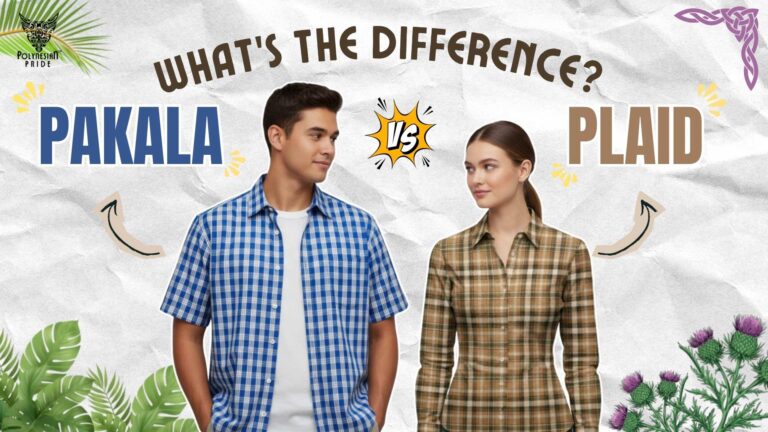
Is palaka considered plaid or a type of tartan?
Palaka is not a tartan, though it is sometimes mistaken for plaid. Its structure resembles a bold woven check but does not follow tartan sett principles or cultural lineage.
I’m a lifestyle curator who has blended Polynesian foodways and fashion into everyday life for over five years. I celebrate makers, materials, and style—with heritage as the headline, not the footnote.
My contact:
Email: [email protected]
Tel: +689 87 246 367