25 Best Things to Do on the Big Island: Discover the Magic


Why the Big Island is Unlike Any Other?
The Big Island is unlike anywhere else on Earth. Larger than all the other Hawaiian islands combined and home to 10 of the world’s 14 climate zones, it’s a place where snowy summits, volcano landscapes, rainforests, and turquoise beaches all exist on one island.
With so much to see, it’s easy to feel overwhelmed when choosing the best things to do on the Big Island. This guide highlights the can’t-miss Big Island activities, helping you skip tourist traps and focus on the experiences that truly make Hawaiʻi Island unforgettable.
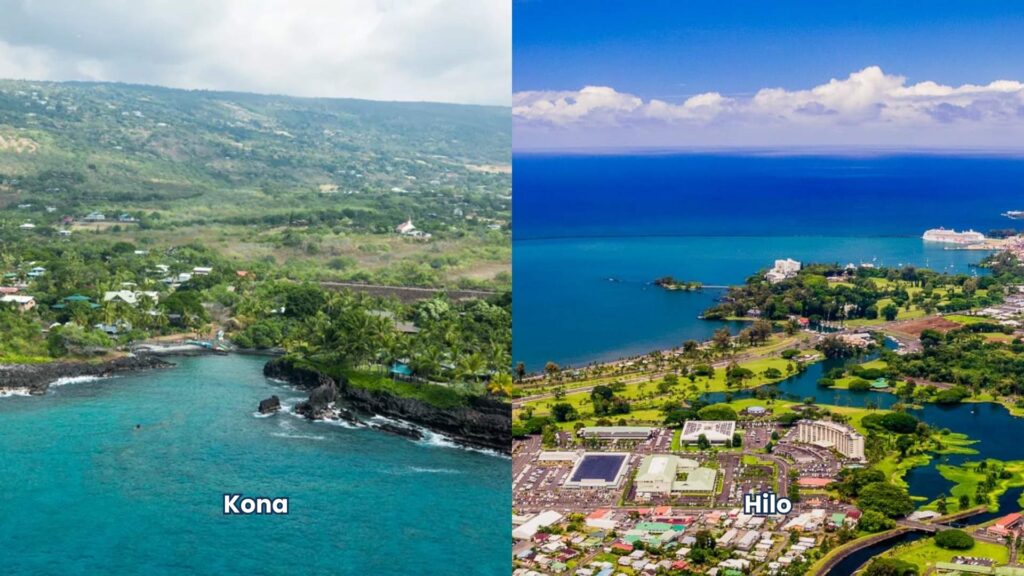
Where to Stay on the Big Island: Kona vs. Hilo (Your First Big Decision)
Before planning the things to do on the Big Island of Hawaii, you need to choose where to stay – and this decision shapes your entire trip.
Most first-timers don’t realize Hawaiʻi Island spans 4,028 square miles, and driving from Kona to Hilo takes 1.5–2 hours. Picking the wrong base can mean hours in the car each day when exploring things to do in Big Island.
Kona vs. Hilo Comparison
| Feature | Kailua-Kona (West Side) | Hilo (East Side) |
|---|---|---|
| Weather | Sunny, dry, warm | Lush, rainy, tropical |
| Best For | Beaches, snorkeling, sunsets, luxury resorts | Waterfalls, gardens, Volcanoes National Park access |
| Vibe | Tourist-friendly, lively | Laid-back, local, “Old Hawaiʻi” |
| Beaches | White-sand, calm waters | Waterfalls, gardens, and Volcanoes National Park access |
Recommendation: The Split Stay
To cut down on long drives, many travelers choose a split stay, for example:
4 nights in Kona + 3 nights in Hilo.
You’ll get the best of both worlds:
- West Side for beaches, snorkeling & the classic things to do Big Island experience
- East Side for waterfalls and volcano adventures
Top 3 Can’t-Miss Things to Do on the Big Island
The Big Island has endless attractions, but only a few are authentic once-in-a-lifetime moments. These are the experiences travelers talk about for years, the ones you simply can’t skip.
Hawaiʻi Volcanoes National Park (UNESCO World Heritage Site)
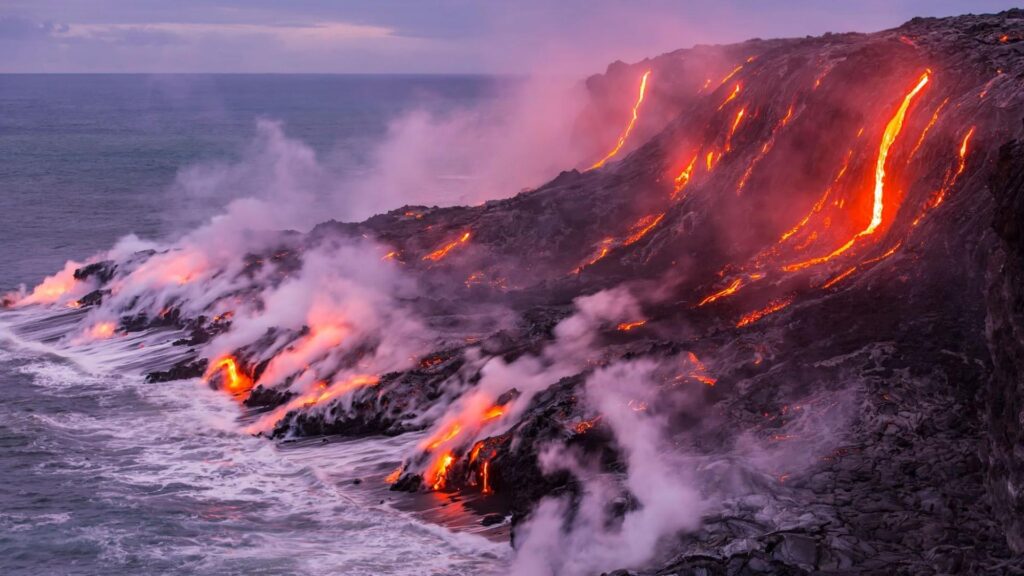
Nothing captures the essence of the Big Island like standing on land younger than you are. HVNP spans 335,000+ acres and is home to Kīlauea, one of the world’s most active volcanoes.
Highlights:
- Nāhuku (Thurston Lava Tube): Walk through a 500-year-old lava cave.
- Kīlauea Iki Trail: A surreal 4-mile hike across a solidified lava lake (formed in 1959).
- Chain of Craters Road: A dramatic drive through old lava fields ending at the Hōlei Sea Arch.
Current Eruption Status:
Lava activity changes frequently. Before visiting, check updates from the USGS Hawaiian Volcano Observatory.
Manta Ray Night Snorkel (Kona)
Often described as an underwater ballet, this is one of the most fun things to do on the Big Island. Kona is one of the only places on Earth where manta rays reliably gather at night to feed on plankton.
Why it’s special:
- Resident manta population
- Wingspans up to 16 feet
- You float on the surface while giant mantas swoop inches below
Where tours go:
- Keauhou Bay (calm, beginner-friendly)
- Garden Eel Cove (known for large manta activity)
Book early because tours sell out fast, especially in peak season.

Mauna Kea Summit Stargazing
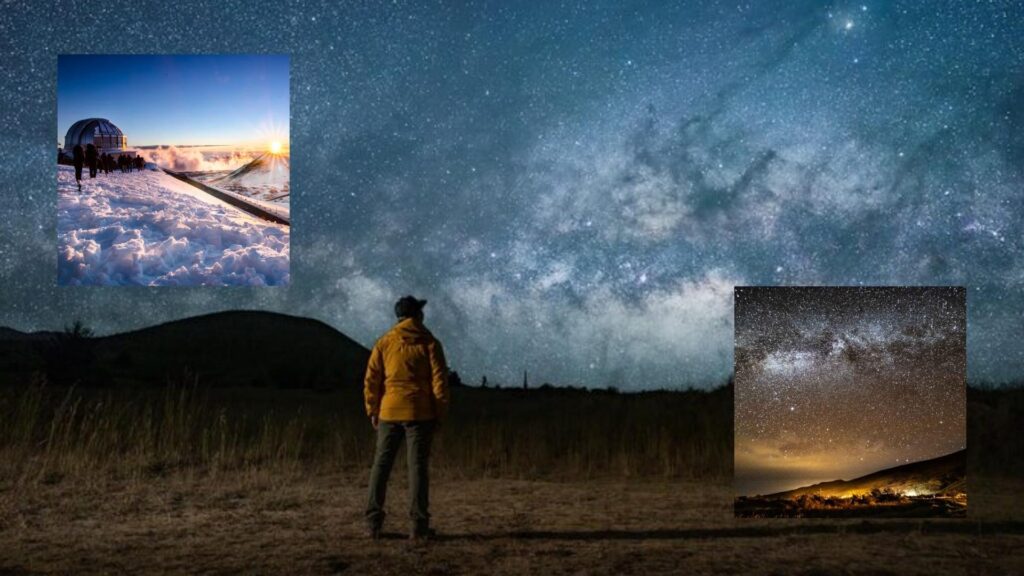
At 13,796 ft, Mauna Kea feels like standing on the top of the world. With ultra-dry air and minimal light pollution, it offers some of the clearest night skies on the planet – you can see up to 90% of visible stars.
What to know:
- Summit requires a 4WD vehicle or a guided tour.
- Those who cannot go to the summit can still enjoy sunset and stargazing at the Visitor Center (9,200 ft).
- Mauna Kea is sacred to Native Hawaiians, so be respectful, keep noise to a minimum, and honor cultural protocols.
Best Things to Do on the Big Island in Kona Coast & Kohala (West Side)
The west side of the Big Island is all about sunshine, calm ocean days, and some of the island’s best marine life.
This region offers some of the best things to do on the Big Island Hawaii, especially for travelers who love warm weather and ocean adventures.
Snorkeling & Marine Life
Kealakekua Bay (Captain Cook Monument)
Widely considered the best snorkeling on the Big Island, with crystal-clear water, coral gardens, and spinner dolphins. You can reach it by kayak, guided tour, or a steep hike.
Whale Watching (Seasonal)
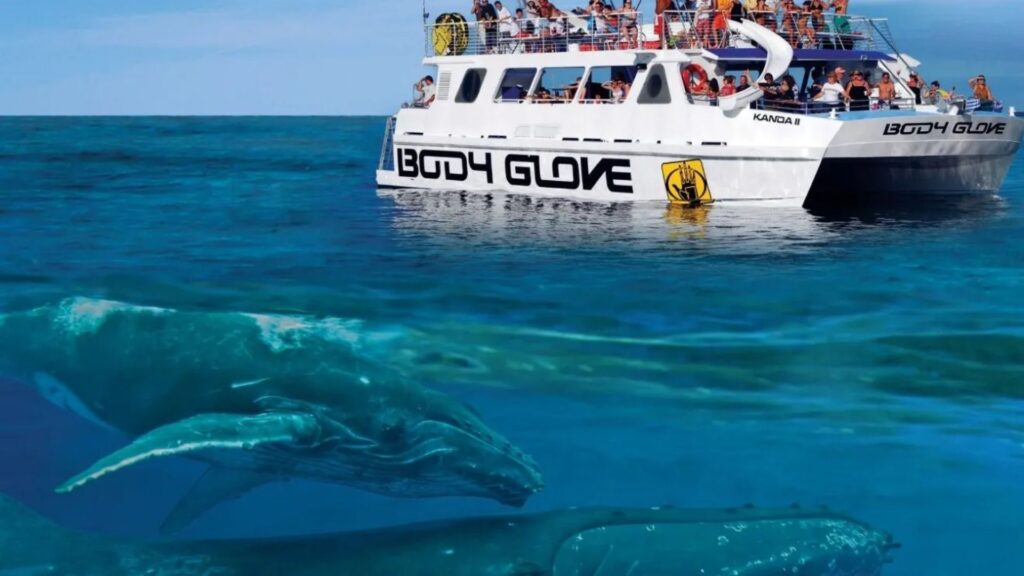
From December to April, around 10,000–12,000 humpback whales migrate to Hawaiʻi.
Best viewed from:
- Kohala Coast
- Boat tours departing from Kona
Culture & History
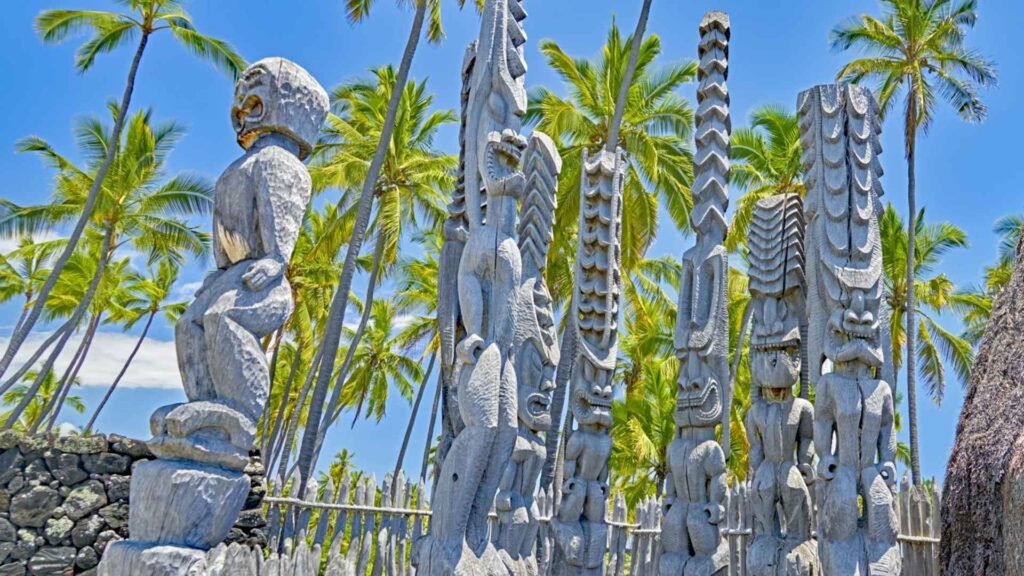
Puʻuhonua o Hōnaunau National Historical Park
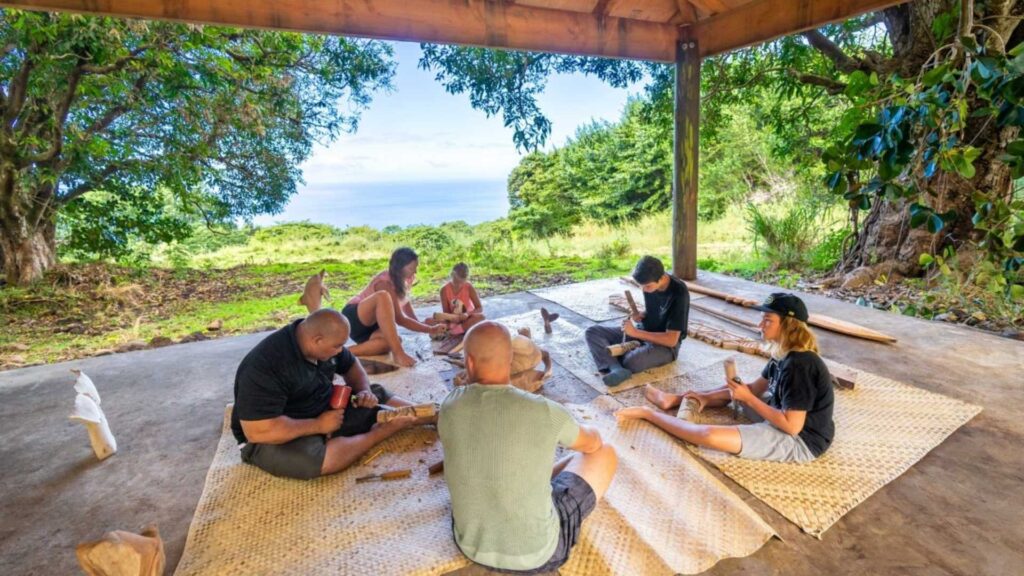
Also known as the “Place of Refuge”, this sacred site once offered sanctuary to those who broke ancient Hawaiian laws. Today, it’s one of the most atmospheric places to learn about Hawaiian culture.
Kona Coffee Belt
The volcanic slopes south of Kona grow world-famous 100% Kona Coffee.
What to do:
- Visit a farm like Greenwell, Hula Daddy, or family-owned estates.
- Sample single-origin beans and learn why Kona’s microclimate is so unique.
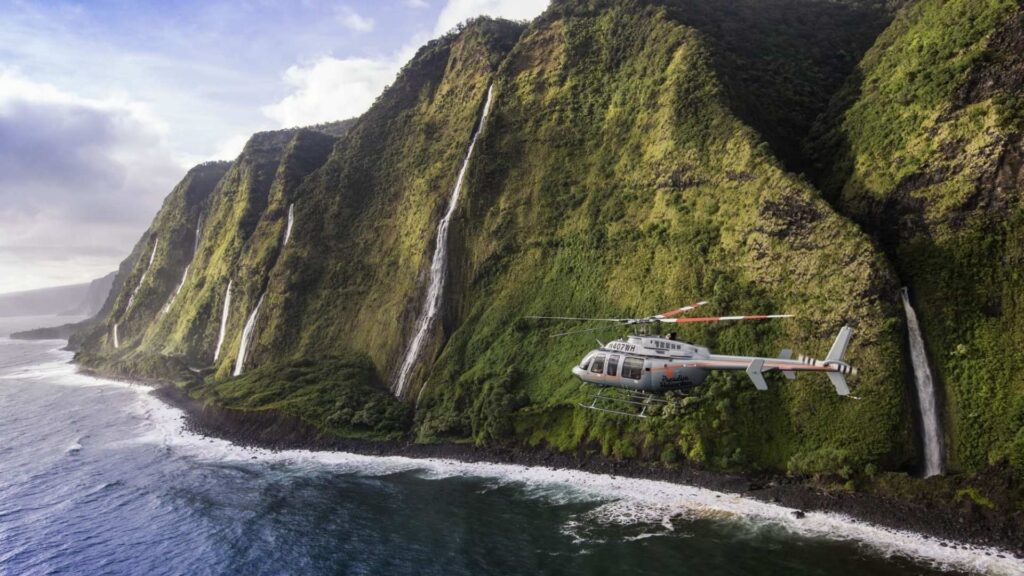
Kohala Coast Helicopter Tour
A Kohala helicopter tour is one of the most breathtaking Hawaii Big Island things to do, especially for travelers who want to see parts of the island that are completely inaccessible by car or hiking.
The rugged north of the Big Island is carved by deep valleys, thousand-foot waterfalls, and dramatic sea cliffs formed by ancient volcanic collapses – landscapes you can only witness from the air.
Best Things to Do on the Big Island in Hilo Side & Hāmākua Coast (East Side)
If Kona is sunshine and snorkeling, Hilo is waterfalls, rainforests, and authentic local flavor. The east side offers some of the most dramatic scenery on the Big Island, perfect for nature lovers and slow travelers.
The Waterfall Corridor
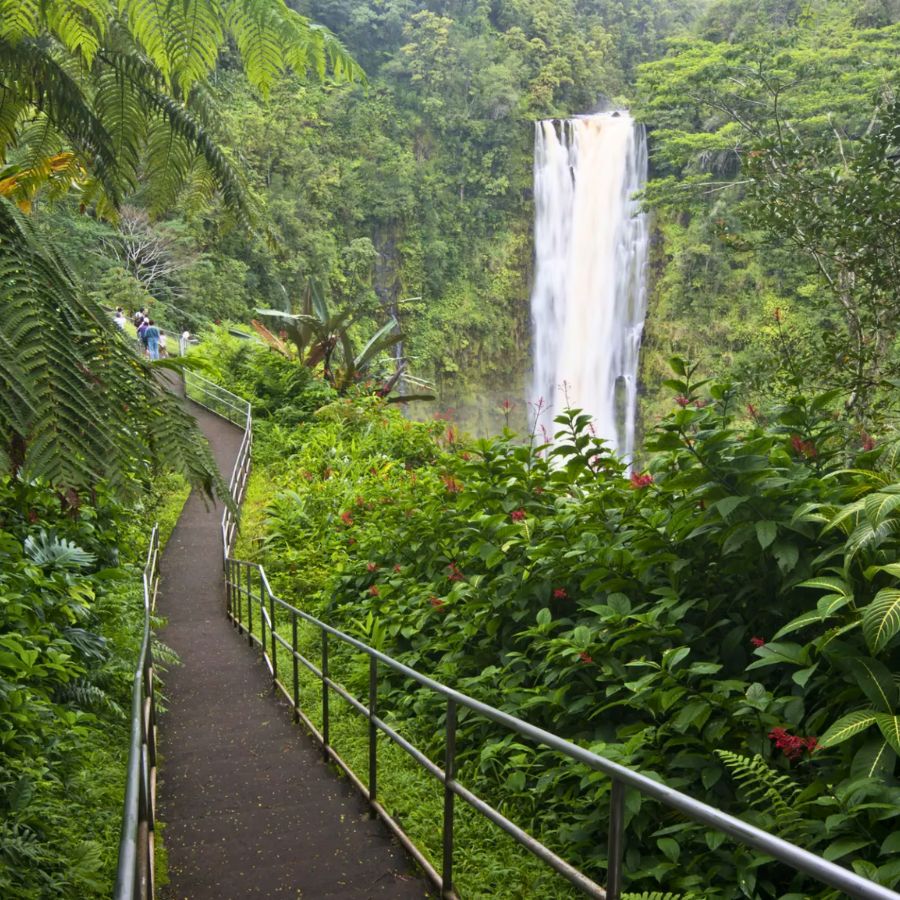
- ʻAkaka Falls State Park: A must-see. A short 0.4-mile loop leads you through lush rainforest to a stunning 442-foot waterfall plunging into a deep gorge.
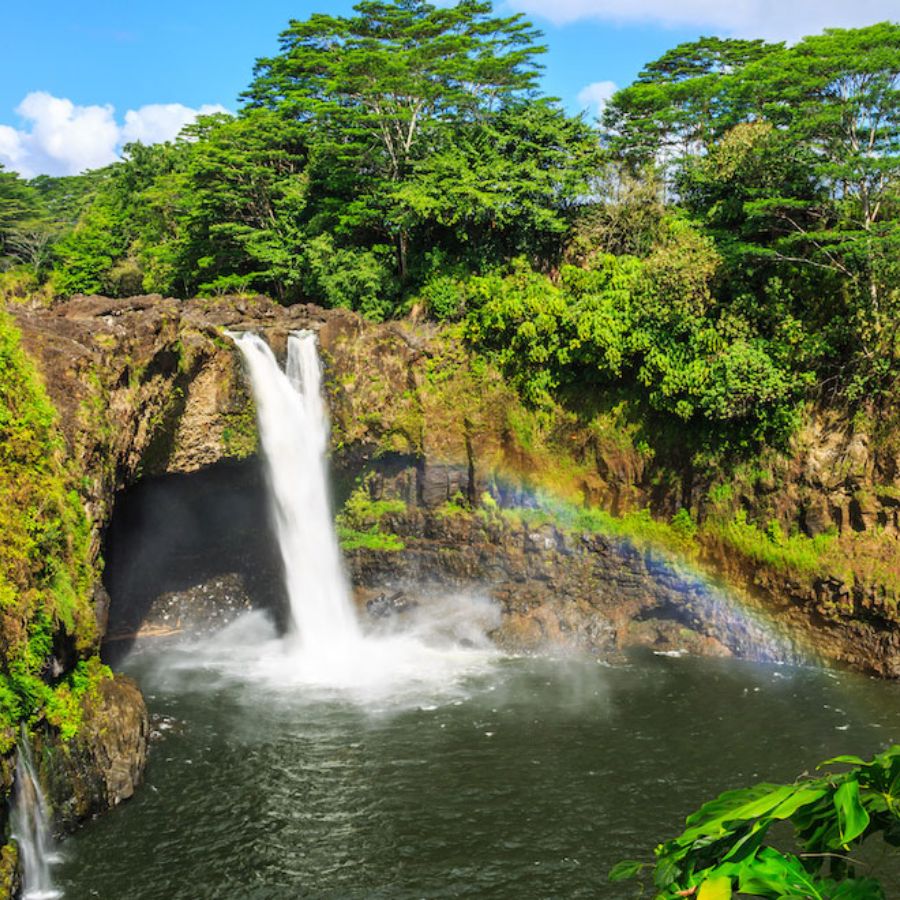
- Rainbow Falls: Located right in Hilo town. Visit in the morning when the mist catches the sunlight, forming rainbows.
- Umauma Falls Zipline: Fly over river gorges and layered waterfalls on one of the island’s top zipline courses, a thrilling way to experience the rainforest from above.

Nature & Scenic Drives
Hāmākua Coast Drive
One of Hawaii’s most beautiful coastal drives features cliffside views, ocean lookouts, and lush valleys. Perfect for slow, scenic exploration.
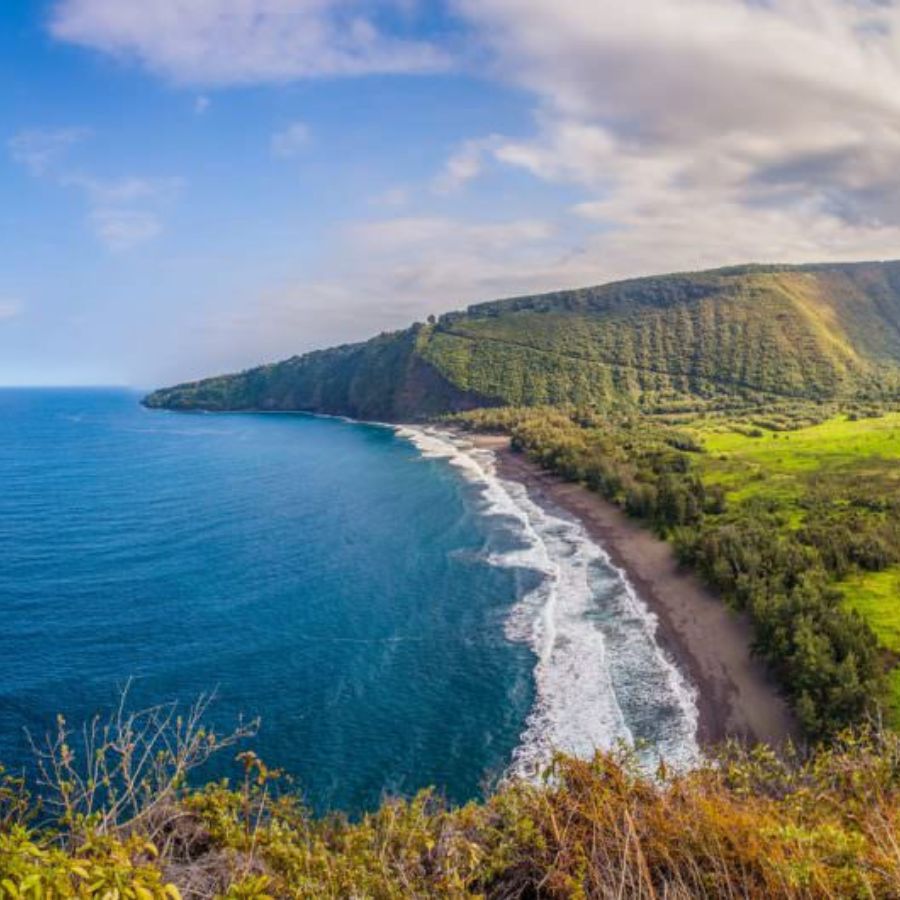
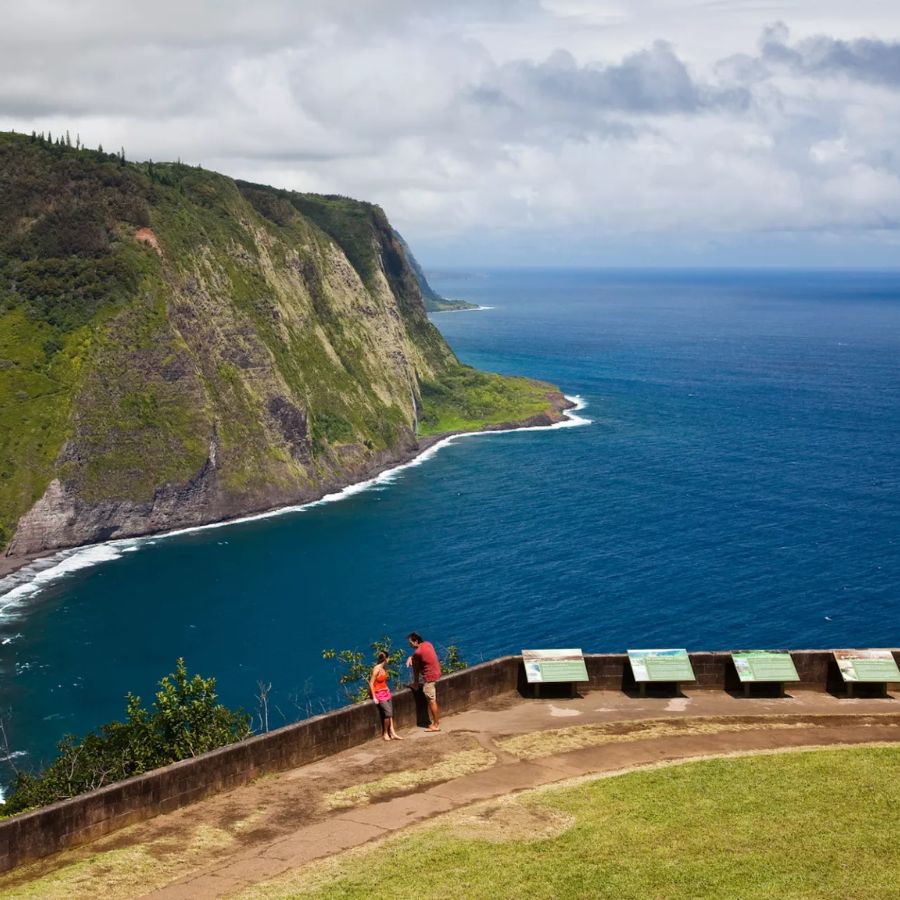
Waipiʻo Valley Lookout
Known as the “Valley of the Kings”.
Important: The road to the valley floor is closed to visitors, but the lookout still offers breathtaking views of cliffs, taro fields, and the black-sand beach far below.
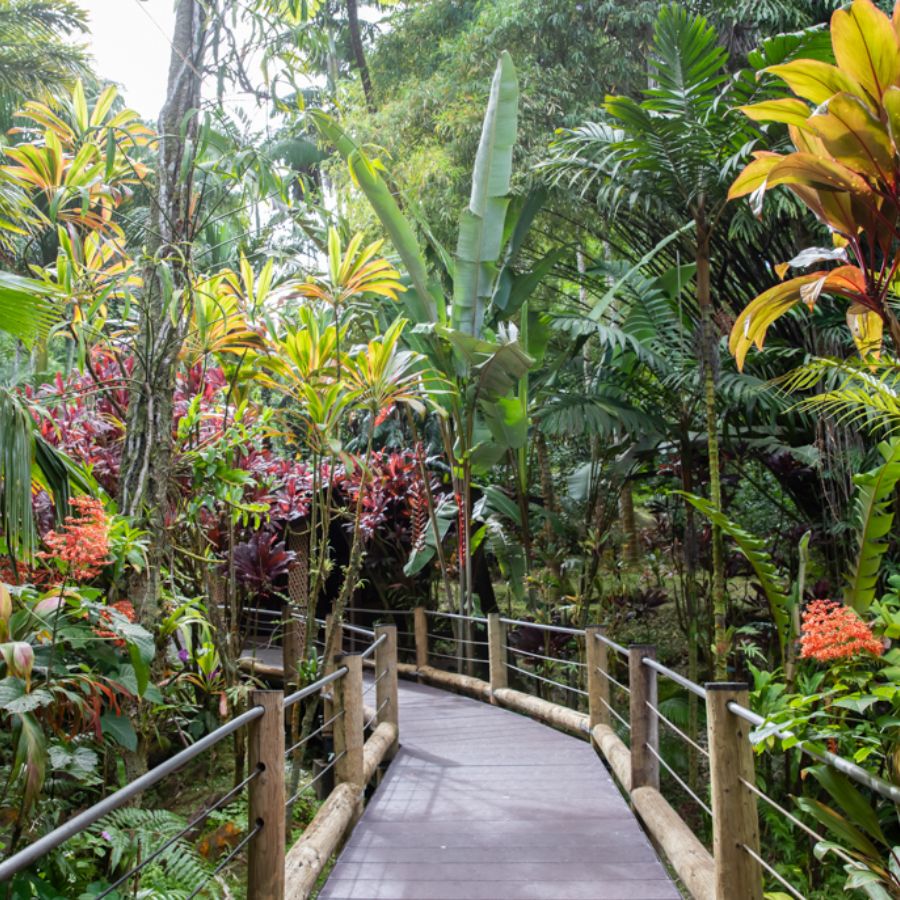
Hawaii Tropical Bioreserve & Garden
A 40-acre garden featuring orchids, giant palms, bamboo tunnels, and rare tropical plants is one of the most photogenic spots on the island.
Hilo Town Highlights (Slow Travel)
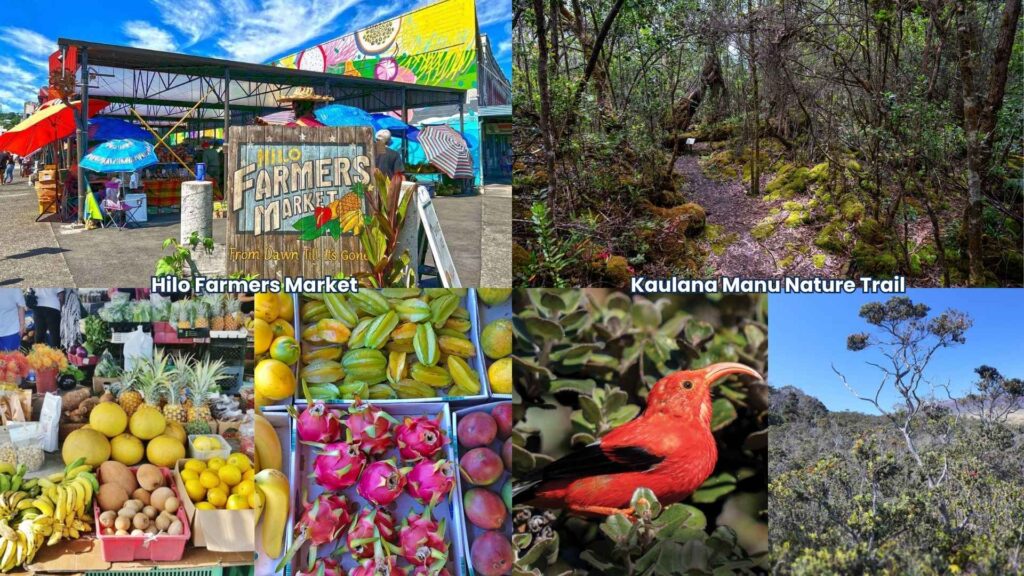
Hilo Farmers Market
One of Hawaii’s best markets.
- Big market days: Wednesday & Saturday
- 200+ vendors selling fruit, flowers, crafts, and local treats.
Kaulana Manu Nature Trail
A quiet trail ideal for bird lovers – look for the bright red ʻIʻiwi fluttering among native trees.
Local Food Stops
- Hilo Burger Joint: comfort food with local beef
- Ola Brew: Hawaiian craft beer & cider
- Two Ladies Kitchen: famous fresh mochi (often sells out!)
South & Kaʻū District Unique Adventures
The southern region of the Big Island is raw, remote, and refreshingly uncrowded. If you want to get off the beaten path, Kaʻū delivers some of the most unique landscapes in Hawaiʻi – from green-sand beaches to turtle-filled coves and the southernmost point in the U.S.
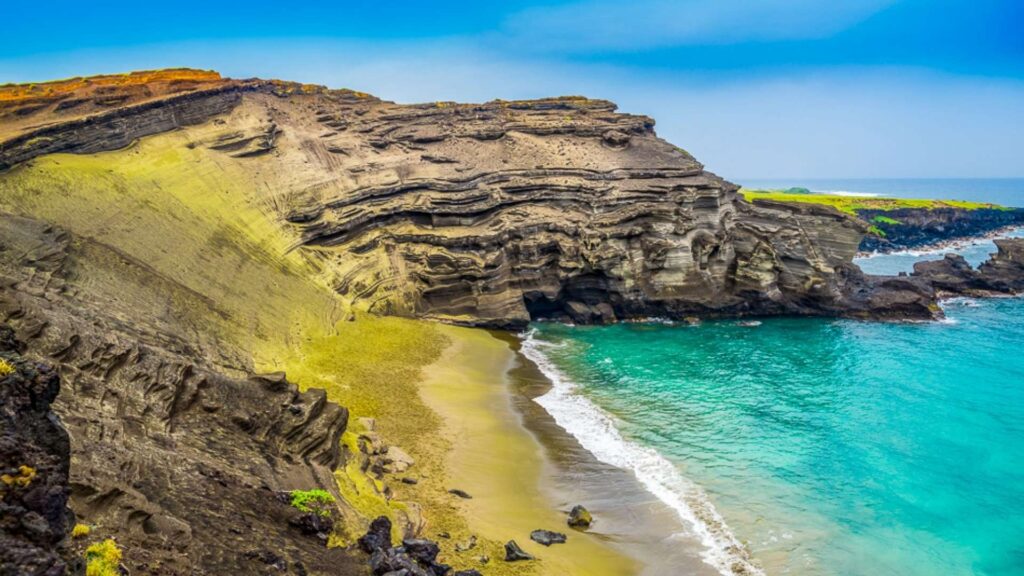
Papakōlea Green Sand Beach
- The Hike: A 5.5-mile round trip across hot, windy, and wide-open terrain. It’s not difficult, but it is exposed to bring plenty of water and sun protection.
- Why It’s Unique: One of only four green-sand beaches in the world. The olive color comes from olivine crystals created by volcanic eruptions.
- Important Note: Do not take the sand – it’s illegal and harms the fragile landscape. Avoid illegal “shuttle trucks”; they damage the environment and are unsafe.
Punaluʻu Black Sand Beach
Easily one of the most famous black-sand beaches in Hawaiʻi.
A great stop to see:
- Honu (Green Sea Turtles) basking on the sand
- Jet-black volcanic sand contrasting with turquoise water
Rule: Stay at least 10 ft (3 meters) from turtles, as required by law.

South Point (Ka Lae)
The southernmost point in the United States, with extreme winds, rugged cliffs, and endless ocean views.
People come for:
- Photos of the dramatic coastline
- Blowholes and crashing waves
- Watching local cliff jumpers (not recommended for visitors – dangerous!)

How to Organize Your Big Island Trip?
The Big Island is huge, and planning your route can feel like solving a puzzle. These curated itineraries help you avoid backtracking, cut down driving time, and hit the island’s biggest highlights without rushing.
Option A: The 5-Day “Greatest Hits” (Express)
Perfect for first-timers who want the essentials.
Day 1: Kona Arrival + Manta Ray Night Snorkel
Settle in, then experience the island’s most magical night activity.
Day 2: South Kona: Coffee & Snorkeling
Visit a Kona coffee farm → snorkel at Kealakekua Bay → sunset in Kona.
Day 3: Road Trip to Volcano
Stop at Punaluʻu Black Sand Beach → continue to Volcano → overnight in Volcano Village.
Day 4: Hawaiʻi Volcanoes National Park
Full-day exploring lava tubes, craters, scenic drives, and trails.
Day 5: Hilo Waterfalls + Departure
See ʻAkaka Falls, Rainbow Falls, and explore Hilo before your flight.
Option B: The 7-Day “Nature Lover” Loop
For travelers who want slower days, more profound exploration, and more nature.
Add to the 5-day itinerary:
- Mauna Kea Summit for stargazing
- Hāmākua Coast Drive is one of Hawaii’s most scenic routes
- A beach day at Hapuna Beach or Māhukona
- Optional helicopter tour over Kohala Valleys
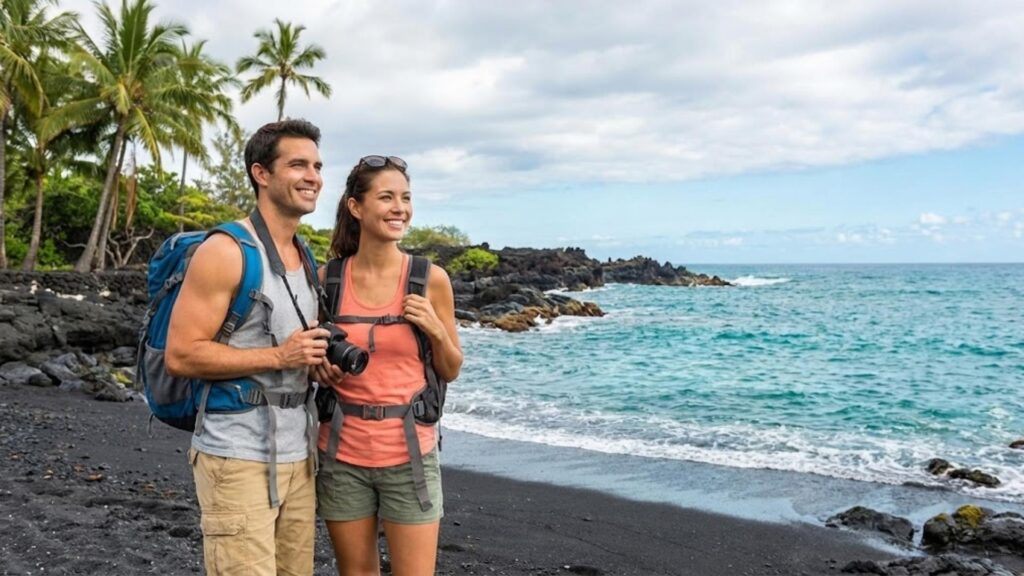
Big Island Essential Planning Guide
A Big Island trip is unforgettable – but it also requires a little planning. The island is large, rugged, and full of microclimates, so knowing what to expect will make your experience smoother, safer, and far more enjoyable.
Budgeting: What Things Actually Cost
Here are the realistic price ranges most travelers will encounter:
- Hawaiʻi Volcanoes National Park: $30 per vehicle (valid 7 days)
- Manta Ray Night Snorkel: $100–$150 per person
- Helicopter Tours: $350–$500+ per person
- Luau: $130–$200+ per person
- Rental Car: Necessary – $50–$90/day depending on season
- Gas: More expensive than in the mainland U.S.
The Big Island is not the cheapest, so planning ahead helps manage expectations.
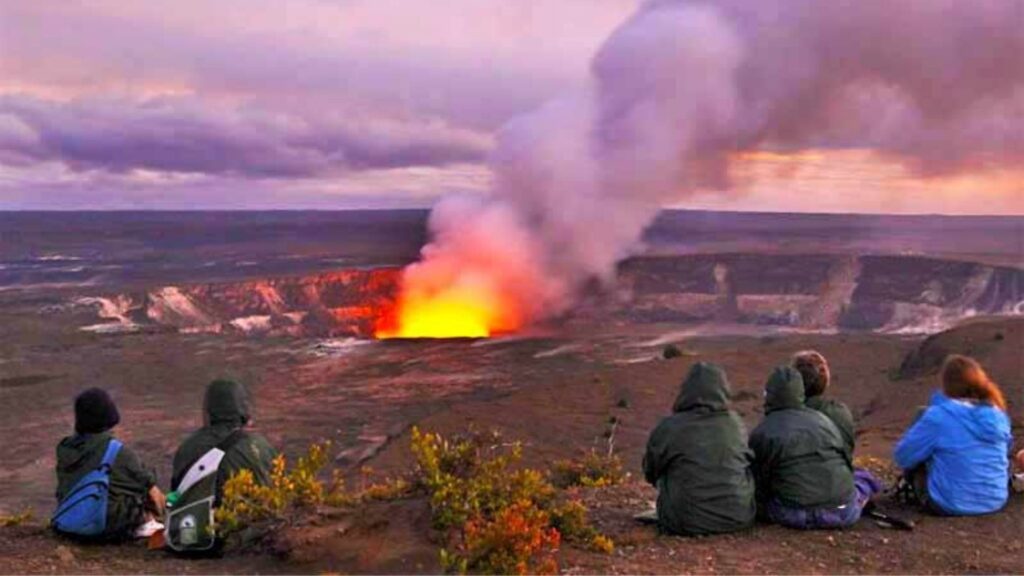
Mālama Hawaiʻi (Travel with Respect)
In Hawaiian culture, the land is ʻohana – family, not scenery.
To travel responsibly:
- Do not touch or disturb wildlife (turtles & monk seals are protected by law).
- Use reef-safe sunscreen – required in Hawaiʻi to protect coral reefs.
- Stay on marked trails in volcanic areas.
- Respect private property – many “Instagram famous” spots are illegal to access.
- Leave no trace – the island’s ecosystems are incredibly fragile.
What to Pack for the Big Island
Because the island has 10 climate zones, you’ll need a mix of gear:
- Light clothing for Kona’s intense sun
- Rain jacket for Hilo and Volcano
- Warm layers for Mauna Kea (temperatures can hit freezing)
- Sturdy shoes for lava rock hikes
- Reef-safe sunscreen (legally required)
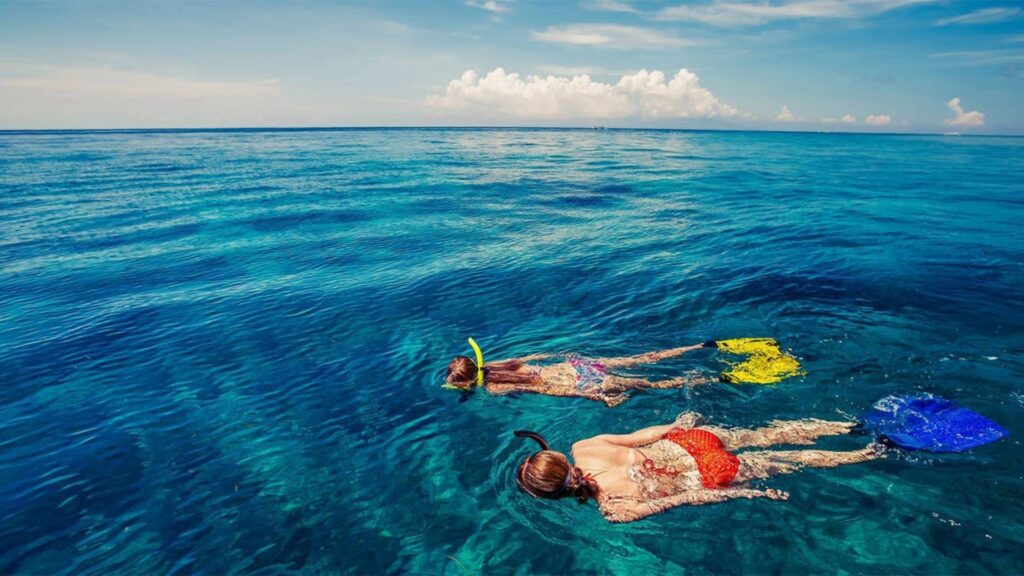
- Swimsuit + water shoes for beach and snorkel days
Optional but helpful:
- Dry bag
- Binoculars for stargazing
- Cooling towel for hot hikes
Wrap Up
The Big Island isn’t a place you simply “visit” – it’s a place you experience. From fiery volcano landscapes and manta-filled nights to rainforest valleys, sacred cultural sites, and some of Hawaiʻi’s clearest skies, every corner of this island feels like a different world.
Whether you’re here for 5 days or a long adventure, the Big Island rewards slow exploration, curiosity, and respect for the ʻāina. Let this guide help you choose the moments that matter most – and create a trip you’ll never forget.
FAQs
What is the prettiest part of the Big Island?
The Big Island’s west side stuns with sunny weather, gorgeous beaches, top-notch snorkeling, and lively shopping spots. Don’t miss Kohala Coast, Waikoloa, and Kailua-Kona—favorites for visitors and locals alike.
How many days do I need on the Big Island?
A minimum of 5 days is enough for highlights like Volcanoes National Park, Kona snorkeling, and Hilo waterfalls. For a relaxed, well-rounded trip, 7–10 days is ideal, especially if you’re splitting time between Kona and Hilo.
Is the Big Island better than Maui?
It depends on your travel style. The Big Island is better for volcanoes, stargazing, road trips, and diverse landscapes. Maui is better for beaches, resorts, and easy sightseeing. If you want adventure and variety, the Big Island is the better choice.
When is the best time to visit the Big Island?
The best months are April–May and September–October for lighter crowds, good weather, and better prices. Whale season runs from December to April, while summer offers the calmest ocean conditions for snorkeling.
Can I drive around the entire Big Island in one day?
Technically, yes – it’s about a 6–7 hour loop without stops. But it’s not recommended. The Big Island is full of viewpoints, waterfalls, beaches, and small towns. Most travelers enjoy it best when explored over several days.
I am Leilani Miller – I research focusing on Vanuatu – volcanic landscapes, blue holes, coral reefs & rainforests. I have over five years of experience researching and sharing insights on tourism and environmental activism. Explore and experience without limits through my latest article.
Contact information:
Email: [email protected]
Tel: +1 (808) 555-1528